
Is Your Pool Ready for the Holidays? A Fall and Winter Pool Care Guide
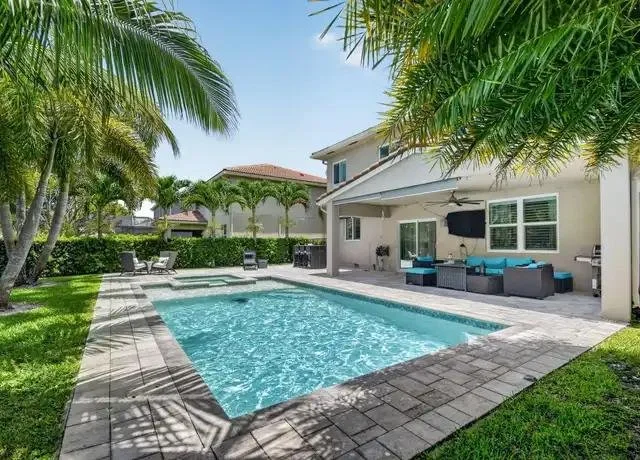
As the end of the year approaches, Florida homeowners begin preparing for Thanksgiving, Christmas, New Year's celebrations, and visits from family and friends. But while the weather gets cooler and pool use may decrease, your swimming pool still needs regular attention.
Unlike colder parts of the country, Florida's mild winters allow many homeowners to enjoy their pools throughout the year. However, changing temperatures, seasonal rainfall, falling leaves, and increased holiday activity can all affect your pool's water quality and equipment.
At SNF Pools, we believe the best way to enjoy a worry-free holiday season is to prepare your pool before the celebrations begin.
1. Cooler Weather Doesn't Mean Pool Maintenance Stops
Florida's fall and winter weather can be unpredictable. Warm, sunny afternoons may be followed by chilly nights and occasional cold fronts.
As water temperatures decrease, chlorine demand and algae growth may slow down. However, algae can still develop, and improper water chemistry can lead to cloudy water, stains, and other problems.
What should you do?
Continue regular pool cleaning and water chemistry testing.
Make sure chlorine and other chemicals remain within the appropriate ranges.
Adjust pump schedules only when appropriate for your pool and equipment.
Have your pool heater inspected if you plan to swim during cooler weather.
Remember: less swimming doesn't mean your pool can go without maintenance.
2. Prepare for Falling Leaves and Seasonal Debris
Fall can bring additional leaves, palm seeds, branches, and other debris into your pool. If left unattended, this material can clog skimmer baskets, restrict water circulation, stain pool surfaces, and contribute to algae growth.
Before the holiday season gets busy, make sure your pool's filtration and circulation systems are working properly.
Our recommendation: Keep debris under control, monitor your skimmer and pump baskets, and schedule professional filter maintenance when needed. A clean filtration system helps your pool remain clear and inviting.
3. Heavy Rain Can Affect Your Pool's Water Chemistry
Although Florida typically transitions toward its drier season in late fall, rainstorms can still occur. Heavy rainfall can dilute pool chemicals, affect water balance, and introduce contaminants.
Saltwater pools also require attention because rainfall and water replacement can affect salt concentration. If salt levels fall below the manufacturer's recommended range, your salt chlorine generator may not produce enough chlorine to keep the water properly sanitized.
After significant rainfall, watch for cloudy water, changes in water level, and signs of algae.
Don't wait for your pool to turn green before taking action. Routine testing and timely chemical adjustments can help prevent more extensive treatments later.
4. Get Your Pool Ready for Thanksgiving, Christmas, and New Year's
Planning to host family and friends? Your pool area may become a gathering place, even if the weather is too cool for swimming.
Before your guests arrive, consider these preparations:
Clean the pool: Remove debris and ensure the water looks clear.
Check the equipment: Look for unusual pump noises, leaks, poor circulation, or other signs of trouble.
Balance the water: Confirm that sanitizer levels and pH are appropriate before anyone swims.
Inspect the surroundings: Keep walkways clear, improve lighting, and ensure gates and safety barriers are functioning properly.
Plan ahead: Schedule maintenance early rather than waiting until the day before a holiday gathering.
A little preparation can help you avoid last-minute surprises and keep your backyard looking its best.
5. Don't Forget Your Pool Equipment During Cold Fronts
Florida winters are generally mild, but temperatures can occasionally drop sharply, particularly overnight. In areas that experience freezing conditions, exposed pipes and pool equipment may be at risk.
If a freeze warning is issued, follow the equipment manufacturer's instructions and your pool professional's recommendations for protecting the system. Some equipment may have freeze-protection features, but these should not be assumed to eliminate every risk.
Never drain your pool simply because cold weather is approaching. Lowering the water level unnecessarily can create serious structural risks.
If you're unsure how to prepare your specific pool system, a professional inspection can help identify potential concerns before temperatures drop.
6. Why Maintaining Your Pool Through Winter Can Save You Money
Skipping pool service because you're swimming less may seem like an easy way to save money. However, neglected water chemistry, clogged filters, and circulation problems can develop into more expensive issues.
Consistent maintenance helps protect your pool's surfaces and equipment while making it easier to return to regular swimming when warmer weather arrives.
Your pool doesn't need the same adjustments throughout the year, but it does need a maintenance plan suited to changing conditions.
Enjoy the Holidays. Let SNF Pools Help With the Rest
The end of the year should be about spending time with family, welcoming guests, and enjoying your home—not dealing with cloudy water, algae, or unexpected equipment problems.
With regular maintenance and seasonal preparation, your pool can remain clean, balanced, and ready for whenever the Florida weather invites you outside.
Need help getting your pool ready for the holidays? Contact SNF Pools to discuss your pool maintenance needs and keep your backyard in great shape throughout the season.